
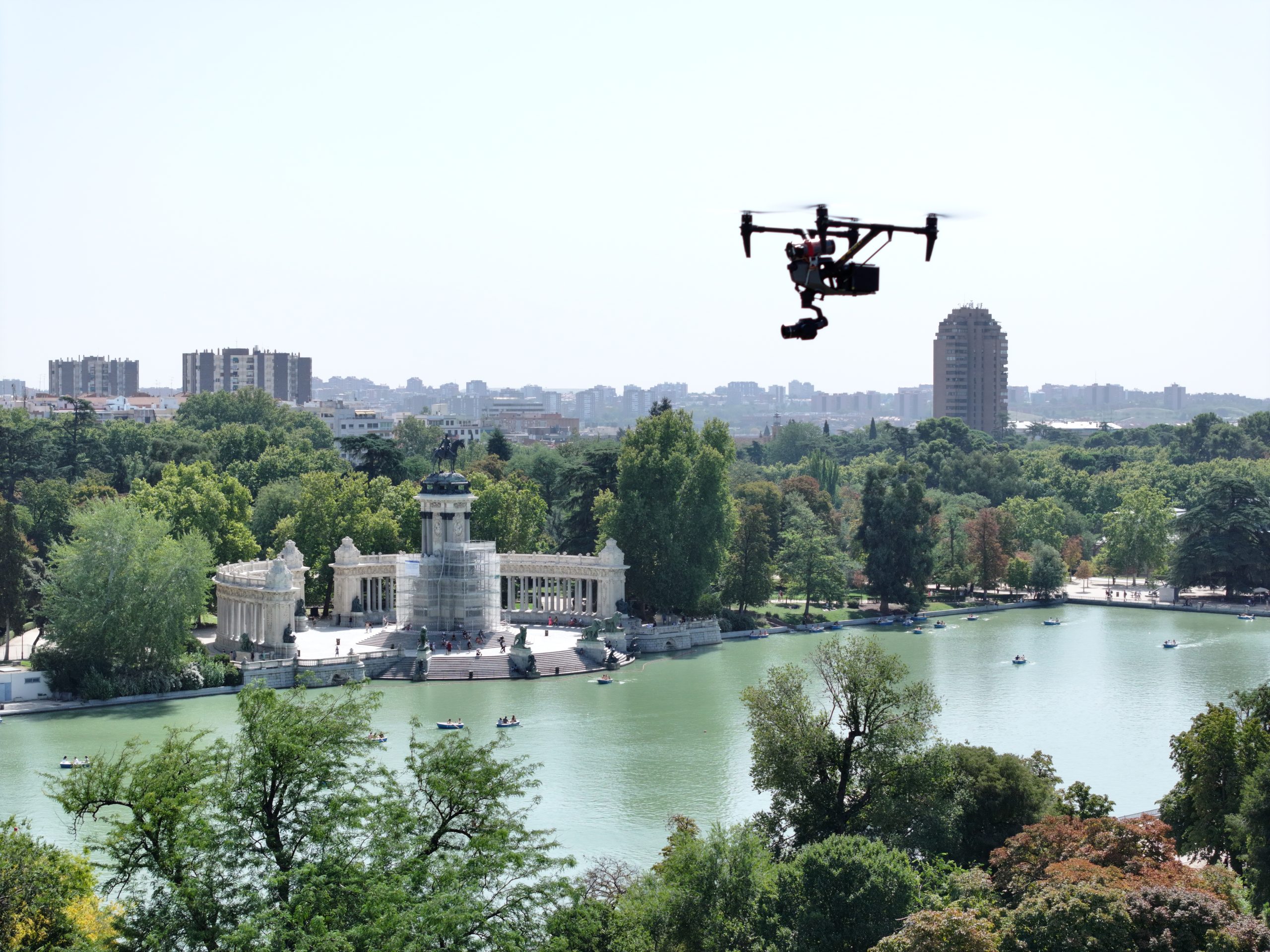
Updated January 2026
Your essential guide to drone regulations for foreign operators
Spain is one of Europe’s most attractive countries for drone operations — from cinematic productions and tourism campaigns to industrial inspections, agriculture and logistics.
However, drone regulations in Spain are strictly enforced and coordinated under both European (EASA) and national AESA (Agencia Estatal de Seguridad Aérea) frameworks.
If you are a foreign drone operator planning to fly in Spain, this guide explains everything you need to know to operate legally and safely in 2026.
Drone Regulations in Spain: AESA and EASA Framework
Spain applies EU Regulation 2019/947 under EASA, but enforcement and operational authorisations are handled by AESA.
This means:
-
EU pilot licenses are generally recognised
-
Operator registration is valid across EASA states
-
BUT geographical zones and coordination rules are Spanish-specific
Additionally, airspace coordination is managed by ENAIRE.
Understanding this dual structure is essential for compliance.
Drone Categories in Spain Explained
All drone operations fall into three categories:
Open Category
Low-risk operations:
-
Maximum altitude: 120m AGL
-
VLOS only
-
No flights over assemblies of people
-
No operations in restricted CTR without coordination
No prior AESA authorization is required if conditions are met.
Specific Category
Most professional operations in Spain fall here.
Required when:
-
Flying in urban environments
-
Operating in controlled airspace (CTR)
-
Conducting BVLOS
-
Using heavier drones
-
Operating near sensitive infrastructure
Requires either:
-
STS declaration
-
SORA-based Operational Authorization
Certified Category
High-risk operations similar to manned aviation.
Rare in standard commercial work.
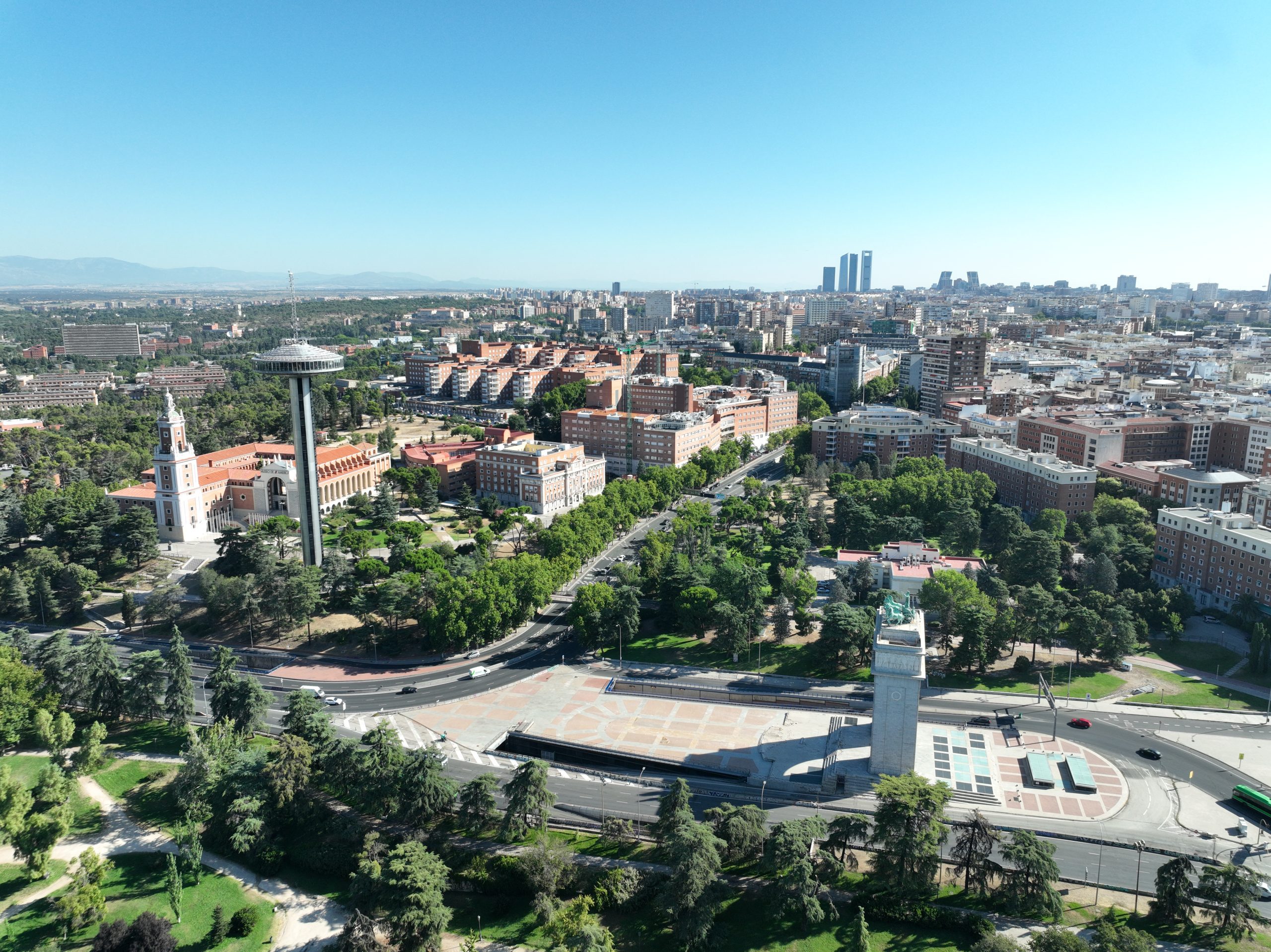
Can Foreign Operators Fly Drones in Spain?
Yes — but compliance depends on your origin.
EU / EASA Operators
-
Operator ID valid in Spain
-
A1/A3 and A2 certificates recognised
-
Must comply with Spanish geographical zones
Non-EU Operators
-
May need AESA registration
-
Certificate validation may apply
-
Additional documentation required
Never assume automatic authorization.

Ready to Fly Legally in Spain?
If you are planning a drone operation in Spain and want to ensure full compliance:
📩 Contact us directly at hola@net2fly.es
We respond quickly and can assess:
-
Feasibility
-
Category classification
-
Required authorizations
-
Estimated timelines
Drone Registration Requirements in Spain
You must:
-
Be registered as UAS operator
-
Display Operator ID on the drone
-
Ensure Remote ID compliance (if applicable)
Drones over 250g or equipped with cameras require operator registration.
Drone Insurance Requirements in Spain
Drone insurance is mandatory for A2 and STS Operations.
You must have:
-
Third-party liability coverage
-
Explicit drone activity clause
-
Coverage valid in Spanish territory
Flying without insurance may result in administrative penalties.
Where You Cannot Fly a Drone in Spain
Spain has strict geographical zones.
Flights are restricted in:
-
Controlled airspace (CTR)
-
Airport surroundings
-
Military areas
-
National parks
-
Critical infrastructure
-
Urban centres without authorization
-
Public gatherings
Always check:
-
ENAIRE drone map
-
NOTAMs
-
Temporary restrictions
Failing to verify zones is one of the most common errors foreign operators make.
Flying in Controlled Airspace (CTR) in Spain
CTR operations require:
-
Prior ATC coordination
-
Operational authorization (Specific Category)
-
Risk assessment documentation
-
Sometimes police coordination
CTR flights can be coordinated under Open and Specific Category approval.
How to Apply for Drone Authorization in Spain
Step-by-step process:
-
Define operational category
-
Analyse geographical constraints
-
Prepare risk assessment (if required)
-
Submit documentation to AESA when required
-
Coordinate with ENAIRE and other infraestructures
- Apply for urban restriction
-
Coordinate locally if required
Processing timelines can range from 1 week to 30 days.
Documents You Must Carry During Operations
During any operation you must carry:
-
Operator registration proof
-
Pilot certificate
-
Insurance certificate
-
Operational authorization (if applicable)
-
Drone identification
-
Operations manual (Specific Category)
Spanish authorities may request documentation during inspections.
Common Mistakes Foreign Drone Operators Make in Spain
-
Assuming EU license equals automatic authorization
-
Ignoring Spanish geographical zones
-
Flying in CTR without coordination
-
Not checking NOTAMs
-
Believing STS applies automatically
-
Underestimating urban operational restrictions
Spain enforces compliance strictly.
Need Help Managing Drone Permits in Spain?
Navigating Spanish drone regulation can be complex — especially for foreign production companies, industrial operators or inspection teams.
At Net2Fly we support:
-
AESA operational authorisations
-
SORA risk assessments
-
STS declarations
-
Controlled airspace coordination
-
Urban filming permits
-
Police and authority coordination
If you are planning an operation in Spain and want to ensure full compliance:
📩 Contact us directly at hola@net2fly.es
Top Beautiful Places to Fly a Drone in Spain
(Legal Considerations Included)
Spain is not only home to vibrant cities — it offers an extraordinary diversity of landscapes, from historic urban skylines and coastal scenery to mountain ranges and rural environments that are ideal for drone operations.
However, flying a drone in Spain requires careful planning. Many of the most visually striking locations are located within controlled airspace, urban environments, or geographically restricted UAS zones.
Before operating anywhere in Spain, always evaluate:
-
Airspace classification
-
Operational category (Open vs Specific)
-
Urban and population density restrictions
-
Geographical UAS zones
-
Required coordination and permits
-
Temporary restrictions (NOTAMs)
Below are some of the most visually impressive locations in Spain — along with key operational considerations to ensure compliance.
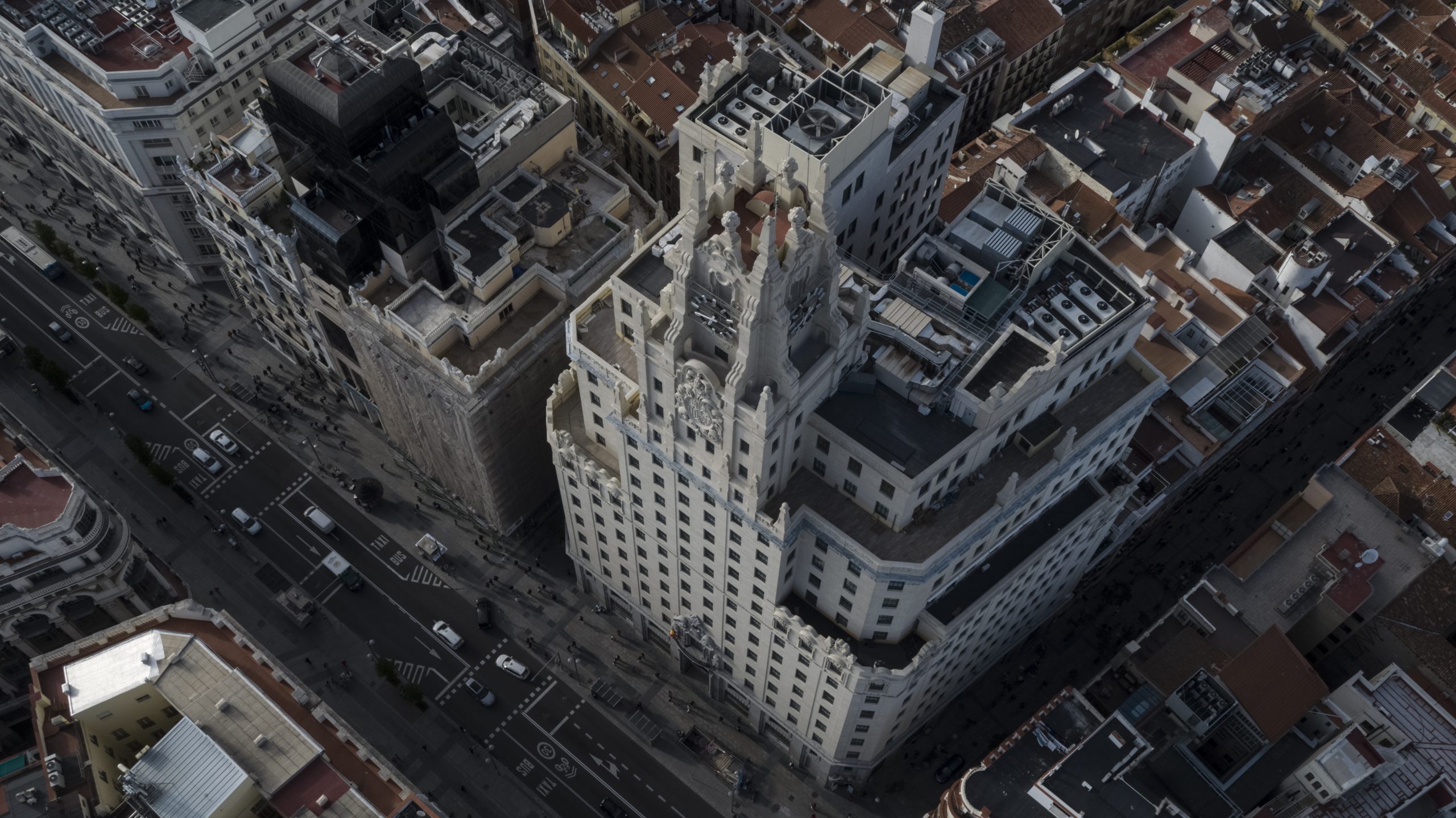
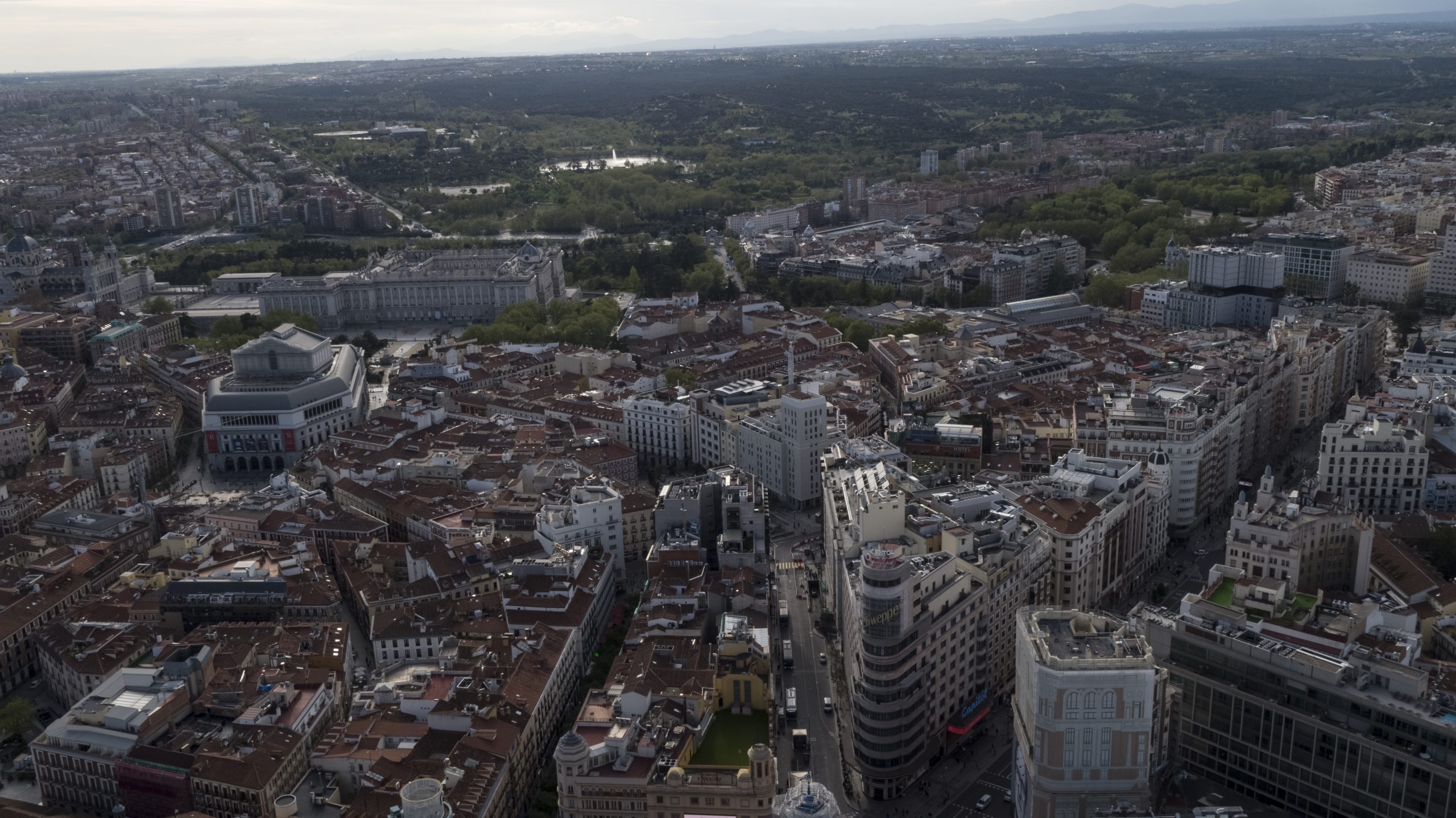
1. La Gran Vía
Gran Vía is one of the most recognisable urban axes in Madrid.
Its historic architecture, linear perspective and cinematic depth make it an exceptional location for aerial shots.
Operational characteristics:
-
Dense urban environment
-
Complex airspace
-
High pedestrian activity
-
Typical location for advertising and film productions

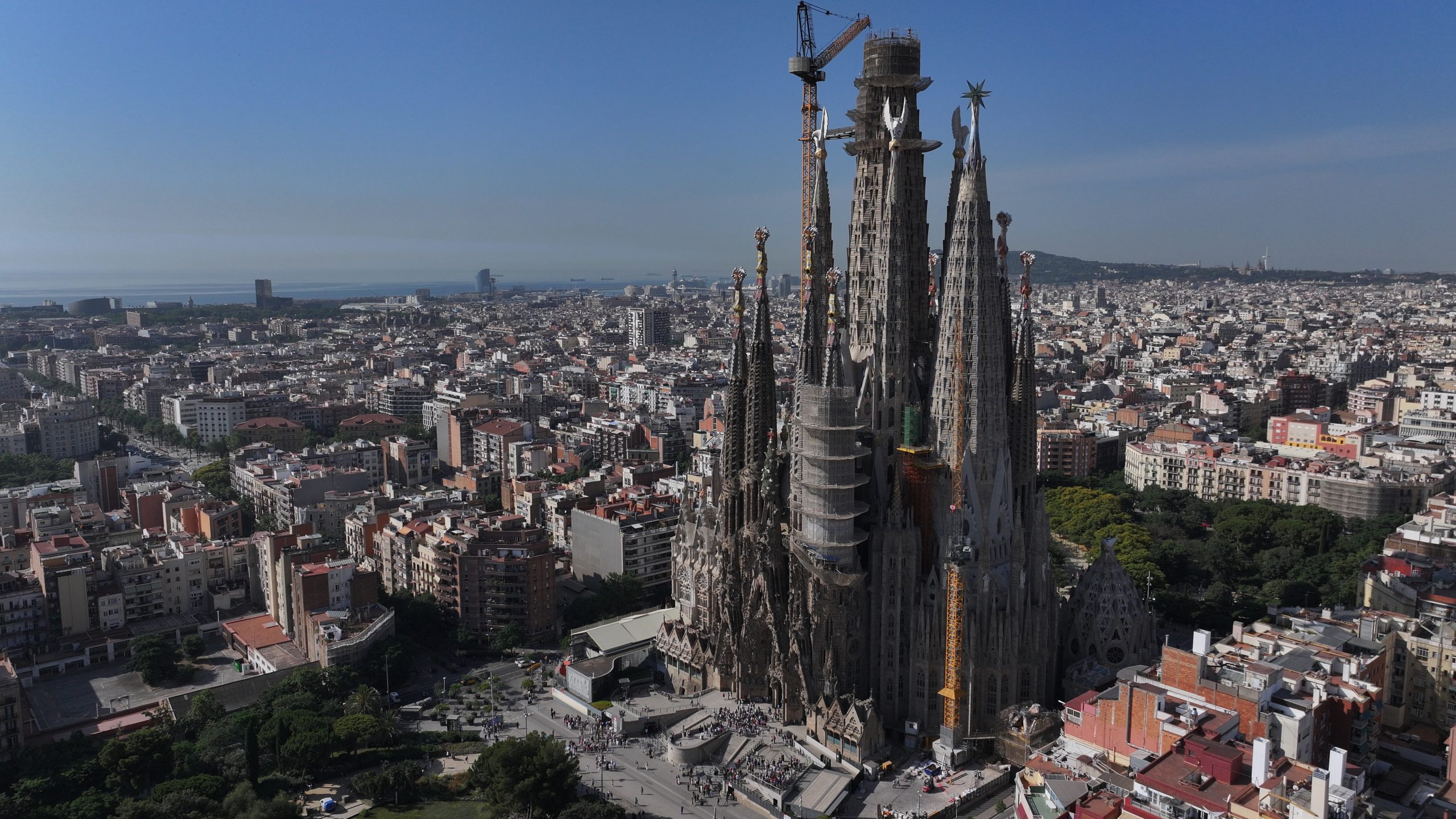
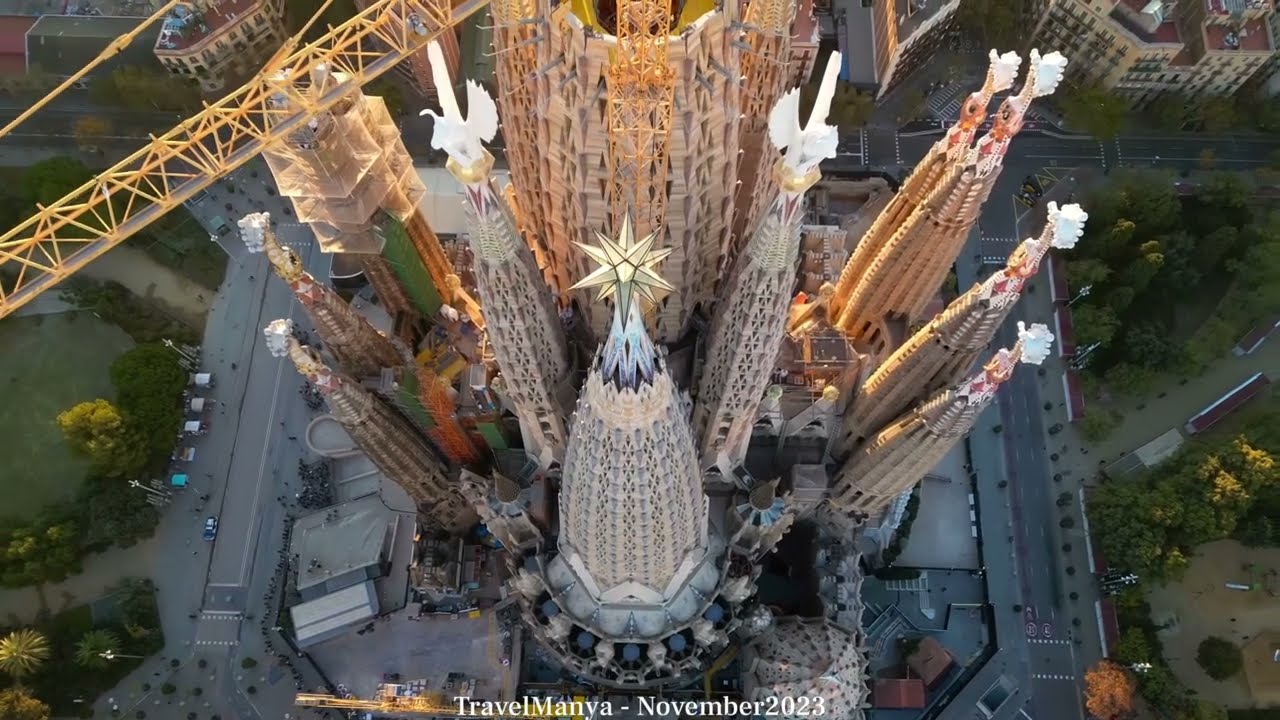
2. Sagrada Familia
La Sagrada Familia is, without question, one of the most spectacular landmarks in Europe when viewed from the air. The geometry of Barcelona’s Eixample district, the monumentality of the basilica, and the urban symmetry create truly iconic aerial imagery.
It is also one of the most restricted locations for drone operations in Barcelona.
The Sagrada Familia is located:
-
In a densely populated urban environment
-
Within a UAS geographical zone with specific restrictions
-
In an area with extremely high pedestrian density
-
Close to sensitive infrastructure and major traffic corridors
This means that it is not legal to fly a drone there independently, regardless of whether the drone weighs less than 250g or the flight duration is short.
In situations like this, the correct approach is not to “take your chances,” but to structure the operation professionally from the outset.
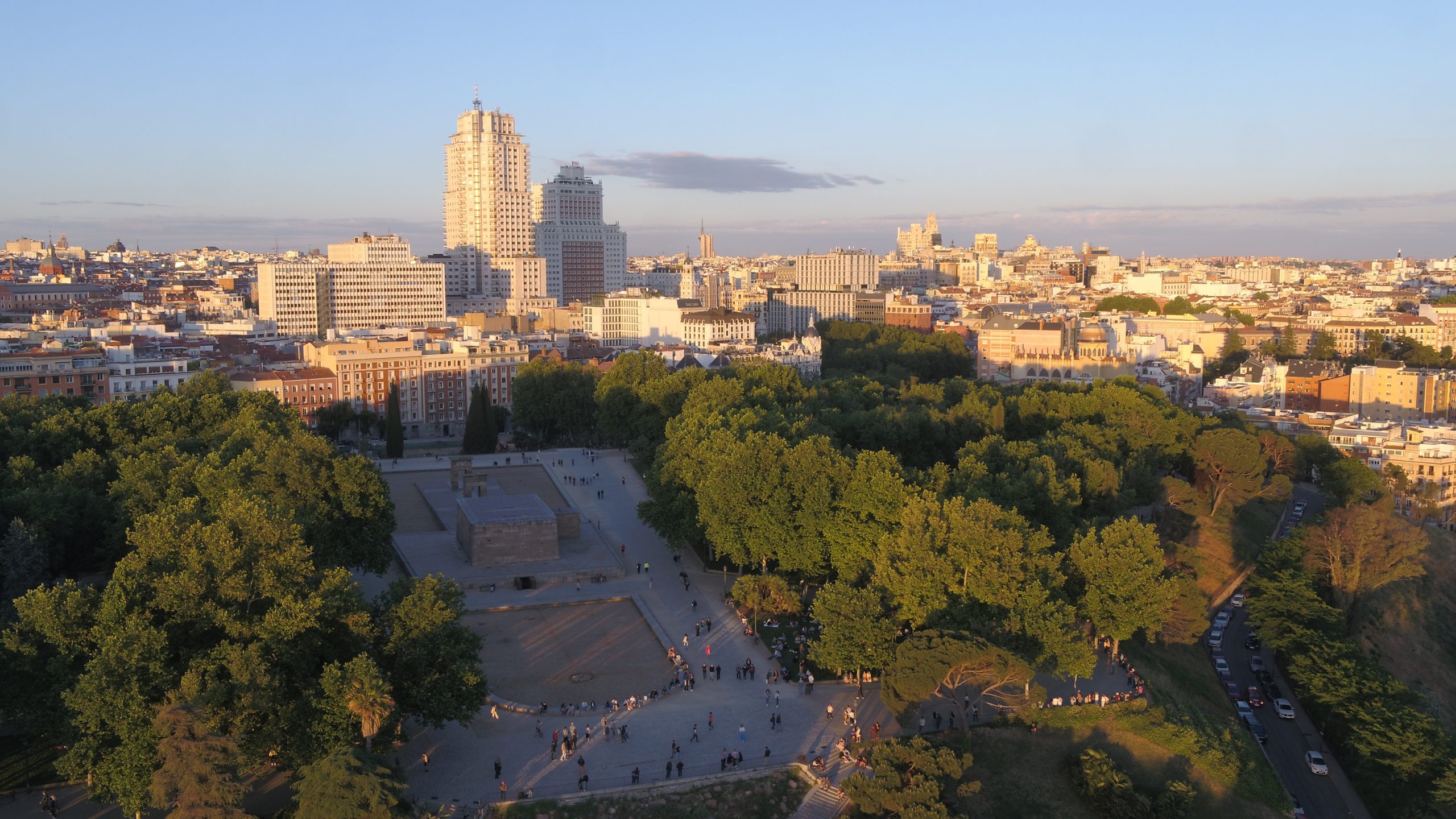
3. Templo de Debod
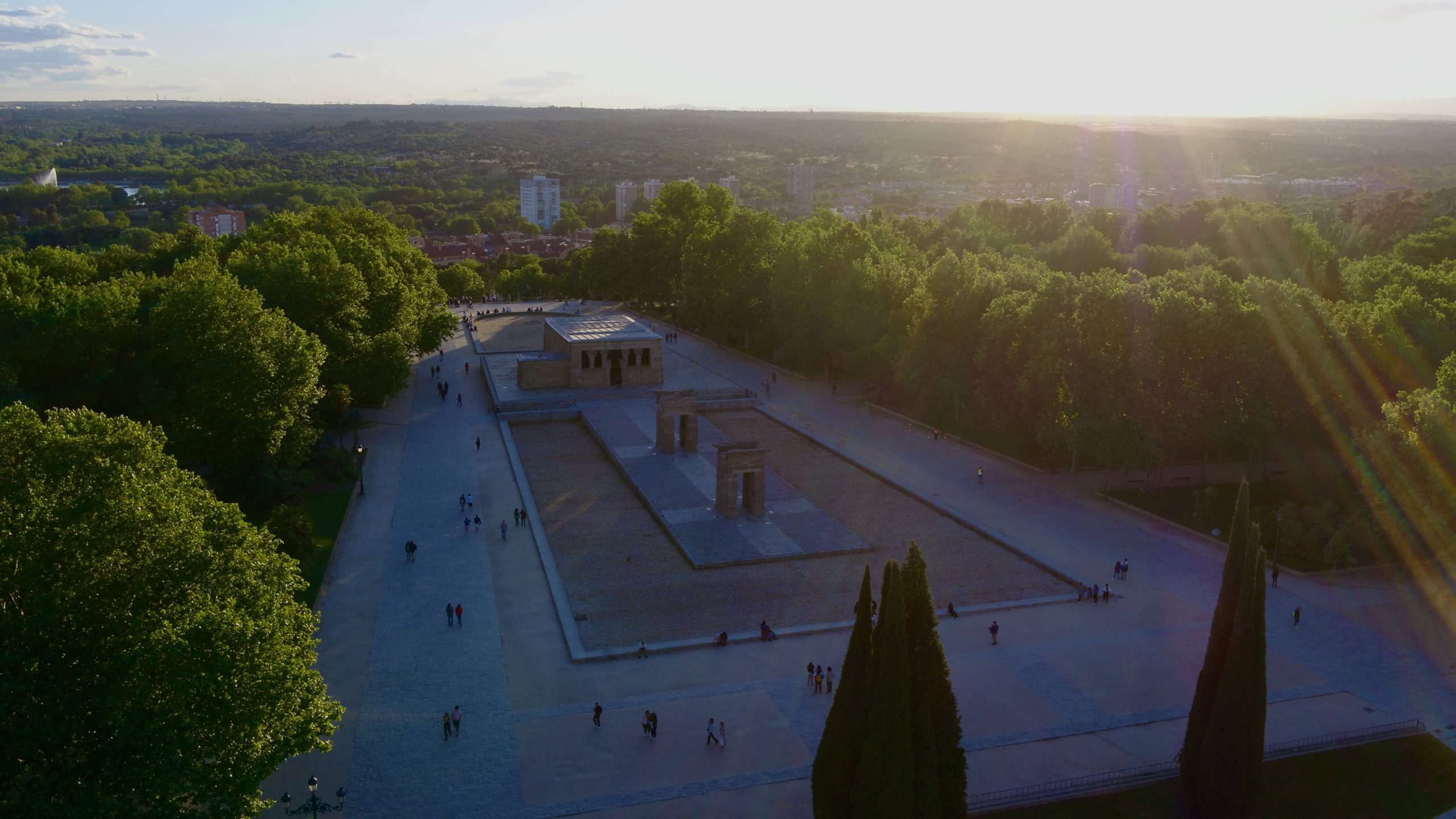
One of Madrid’s most photographed landmarks, especially at sunset.
Its elevated position and visual connection to the skyline make it extremely attractive for aerial filming.
Operational characteristics:
-
Urban public space
-
High pedestrian density
-
Sensitive cultural location

Planning to Fly a Drone in Spain?
If you are considering operating in any of these locations and need:
-
Permit and coordination management
-
Professional certified pilots
-
Full operational compliance
-
Risk assessment and SORA preparation
-
Controlled airspace coordination
At Net2Fly, we analyse each project individually and manage the entire authorization process so you can fly in Spain legally, safely and professionally.
We manage an average of 700 drone operations per month, across Spain and internationally.
If you are unsure about the pre-flight regulatory requirements, contact our Aeronautical Consultancy team:
or submit your project details through our contact form and our team will respond with a tailored feasibility assessment.
Frequently asked questions
Can I fly a drone in Spain as a tourist?
Yes, tourists can fly drones in Spain — but they must comply with EU and Spanish regulations.
If your drone weighs more than 250g (or has a camera), you must be registered as a UAS operator in an EASA Member State. Your operator registration is valid across the EU.
However, even in the Open Category, you must:
-
Respect the 120m altitude limit
-
Avoid flying over assemblies of people
-
Check Spanish UAS geographical zones
-
Verify airspace restrictions before every flight
Many popular tourist locations are located within restricted or controlled airspace, meaning additional authorization may be required.
Not always — it depends on the type of operation.
You do NOT need prior authorization if:
-
You operate in the Open Category
-
You are outside controlled airspace
-
You respect distance from people and urban areas
You DO need AESA authorization if:
-
You fly in urban environments
-
You operate in controlled airspace (CTR)
-
You conduct BVLOS operations
-
You fly over people
-
Your operation exceeds Open Category limits
Most professional operations in Spain fall under the Specific Category and require either an STS declaration or SORA-based authorization.
Is my EASA drone license valid in Spain?
Yes, if you hold an EASA A1/A3 or A2 certificate issued by an EU Member State, it is valid in Spain.
However:
-
The certificate does not override Spanish geographical restrictions.
-
It does not grant automatic permission to fly in controlled airspace.
-
It does not replace the need for Specific Category authorization.
If you hold a non-EU certificate, you may need to obtain EU-compliant certification before operating in Spain.
Can I fly a drone in Madrid or Barcelona?
Flying a drone in Madrid or Barcelona is highly regulated.
Both cities:
-
Contain dense urban environments
-
Include controlled airspace sectors
-
Have high pedestrian density
-
Include sensitive infrastructure
Most operations in these cities require:
-
Specific authorization
-
Urban operational mitigation measures
-
Airspace coordination
-
Risk assessment documentation
Flying “under 250g” does not automatically make the operation legal.
What is SORA and when is it required in Spain?
Standard Scenarios (STS-01 and STS-02) are predefined operational frameworks that allow operators to declare compliance instead of submitting a full SORA.
However:
-
The operation must strictly match STS conditions.
-
Spanish geographical restrictions still apply.
-
Controlled airspace may require additional coordination.
STS does not override local airspace limitations.
Can I fly a drone in controlled airspace in Spain?
Yes, but only with proper coordination and authorization.
Controlled airspace operations typically require:
-
Specific approval
-
ATC coordination
-
Detailed operational planning
-
Risk assessment documentation
Operating in CTR without authorization may lead to administrative sanctions.
Are there fines for illegal drone operations in Spain?
Yes. Non-compliance with drone regulations can result in administrative penalties.
Fines may apply for:
-
Flying in restricted zones
-
Operating without insurance
-
Flying without required authorization
-
Endangering people or property
Spanish authorities actively enforce compliance, especially in urban environments and tourist hotspots.
Timelines vary depending on operation complexity.
Simple STS declarations may be processed faster, while SORA-based authorizations can take several weeks or longer.
Factors affecting timelines include:
-
Operational complexity
-
Urban environment
-
Airspace classification
-
Required coordination with multiple authorities
Planning in advance is essential.
What documents must I carry during a drone flight in Spain?
You must carry:
-
Operator registration proof
-
Pilot competence certificate
-
Insurance certificate
-
Operational authorization (if applicable)
-
Drone identification details
-
Operations manual (Specific Category)
Authorities may request documentation during inspections.